


What is uPVC? | Features, Applications & Raw Material Requirements
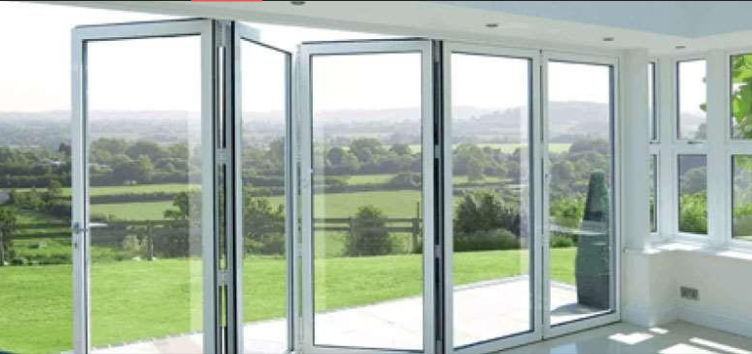
Image Credit : ConstroMat
uPVC (Unplasticized Polyvinyl Chloride) is a low-maintenance, durable building material widely used as a substitute for painted wood and aluminium in doors and windows. It is cost-effective, long-lasting, energy-efficient, and offers excellent sound insulation and thermal performance, making it a preferred choice in homes, offices, retail spaces, and commercial buildings.
♦ What are the Features of uPVC Doors and Windows?
uPVC is known for its high durability, strength, and low maintenance. Key features include:
- High Strength: Lightweight yet extremely strong; supports multi-point locking systems for enhanced security.
- Easy Installation: uPVC doors and windows can be installed, removed, repaired, and reinstalled without structural damage.
- Acoustic Insulation: When paired with noise-cancelling glass, uPVC provides excellent sound reduction.
- Thermal Efficiency: Offers superior insulation, keeping external heat out and maintaining indoor comfort.
- Low Maintenance: Does not require painting, polishing, or frequent upkeep.
♦ What Types of uPVC Products Are Manufactured?
- uPVC Doors
- uPVC Windows
♦ What Raw Materials Are Required for uPVC Door & Window Manufacturing?
The primary raw materials used for manufacturing uPVC doors and windows include:
- Reinforcement steel
- Screws & hooks
- Glass panels
- Rubber gasket
- Mosquito mesh (optional)
- Sliding wheels for smooth operation
- Locks and hardware fittings
♦ What Are the Standard Sizes Used for uPVC Doors and Windows?
- Average Window Size: 4 ft × 4 ft = 16 sq ft
- Average Door Size: 6 ft × 4 ft = 24 sq ft
♦ What Is the Average Raw Material Cost for uPVC Manufacturing?
The average raw material cost for manufacturing uPVC doors and windows is approximately:
- ₹150 per square foot