


How is Sand Manufactured?
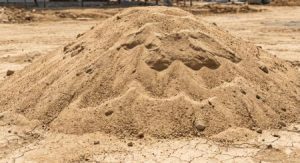
Image Credit: ConstroMat
Sand is a naturally occurring granular material composed of fine particles of minerals and rocks. It typically ranges between 0.06 mm and 2 mm in size and is formed through natural geological processes such as weathering, erosion, and sedimentation. Quartz is the most common mineral found in construction sand.
♦ How Many Types of Sand Are There?
- River Sand: Extracted from rivers and riverbanks; widely used for construction.
- Pit Sand: Obtained from deep pits or quarries; sharp and angular particles ideal for concrete.
- Sea Sand: Collected from coastal regions but contains high salt content.
- Manufactured Sand (M-Sand): Crushed from hard stones; widely used due to consistent quality.
♦ What Are the Uses of Sand?
- Construction: Essential for concrete, mortar, plaster, blocks, and asphalt production.
- Glass Manufacturing: Silica-rich sand is melted to produce glass.
- Water Filtration: Used for removing impurities in treatment plants.
- Landscaping: Ideal for leveling, gardening, pathways, and decorative applications.
♦ Uses of Sand Based on Grain Size
Fine Sand: Passes through a 16-number sieve; used for plastering for smoother finish.
Moderately Coarse Sand: Passes through an 8-number sieve; suitable for mortar and masonry work.
Coarse Sand: Passes through a 4-number sieve; preferred for concrete production.
♦ What Type of Sand Is Best for Construction?
River Sand and Pit Sand are considered the best types of sand for construction due to their optimal grain size, cleanliness, and bonding strength.
♦ Can Sea Sand Be Used in Construction?
Sea Sand is generally not recommended for construction because its high salt content can cause steel reinforcement corrosion and reduce long-term structural durability.
♦ What Is the Role of Sand in Concrete?
Sand acts as a filler material in concrete, increasing strength, improving workability, reducing shrinkage, and improving durability.
♦ How Is Sand Graded for Construction?
Sand is graded based on particle size distribution, texture, and shape. Proper grading ensures better bonding, higher compressive strength, and improved workability in concrete.
♦ What Is the Ideal Sand-to-Cement Ratio?
- Mortar: 1:4 (Cement : Sand)
- Concrete: 1:2:4 (Cement : Sand : Aggregate)
♦ Can Sand Affect Concrete Strength?
Yes. Sand quality directly affects the workability, compressive strength, and overall durability of concrete.
- Particle Size & Gradation: Well-graded sand reduces voids and enhances strength.
- Silt & Clay Content: Excessive silt weakens the bond and reduces durability.
- Shape & Texture: Angular sand provides better bonding than rounded sand.
♦ Sand Quality and Testing
Construction sand quality is assessed based on silt content, particle size, cleanliness, moisture content, and adherence to IS grading standards.
♦ Other Construction Uses of Sand
- Mortar Sand: Used for bricklaying, pointing, and plastering.
- Concrete Sand: Used in RCC, PCC, and heavy-duty concrete work.
- Fill Sand: Suitable for backfilling, levelling, compaction, and foundations.