Know about your Jharkhand State
Jharkhand is one of the richest mineral zones in the world. The state boasts of 40% and 27.3% of India’s mineral and coal reserves respectively. The state’s total coal production stood at 156.48 million tonnes in 2023. It is the only state in India to produce coking coal, uranium, and pyrite. The st
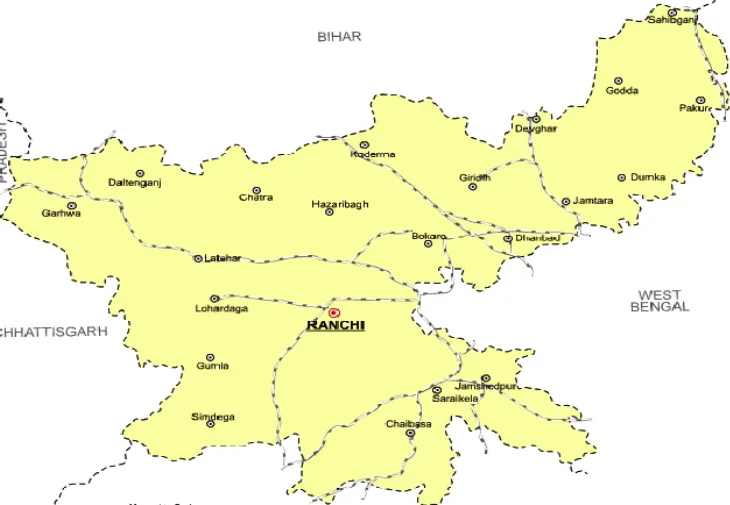
Jharkhand is one of the richest mineral zones in the world. The state boasts of 40% and 27.3% of India’s mineral and coal reserves respectively. The state’s total coal production stood at 156.48 million tonnes in 2023. It is the only state in India to produce coking coal, uranium, and pyrite. The state is also a leading producer of coal, mica, kyanite and copper.With 26% of the total iron ore (hematite) reserves, Jharkhand ranks second among all states. The total iron ore production in the state stood at 5,359.77 thousand tonnes in FY26 (till June 2025). It has an read of 79,714 Sq.KM and total population of 40.75M. It is located in the eastern part of India. The state shares its borders with West Bengal in the east, Uttar Pradesh and Chhattisgarh in the west, Bihar in the north and Odisha in the south. Commonly spoken languages of the state are Hindi and Santhali; Urdu and Bengali are also prevalent. Jamshedpur, Dhanbad, Bokaro, Deoghar and Hazaribagh are some of the major cities and industrial areas in the state. The total length of the National Highways (NH) running through Jharkhand stood at 3,633 kms (as of December 2024). The total length of state highways was around 1,232 kms. The Centre plans to invest Rs. 2,00,000 crore (US$ 23.23 billion) in national highway and related infrastructure projects in Jharkhand, including corridors such as Varanasi-Ranchi-Kolkata and Ranchi-Varanasi. The state highways as of Aug 2022 is 1232 kms and rural oads is 13,444 Kms.
18 June 2026